THE
PENAHAN
PROJECT
OUR Reforestation Project In the Philippines
By Working With Custom Signage Brisbane
you are helping to regenerate a part of the natural environment.
Planting The Seed
Adam Templar personally funded the beginning stages of the project including the planting of over 25,000 trees and still has involvement to this day.
By using Custom Signage Brisbane for your signage project, we are able to utilise portions of our profits to further these efforts into the future.


Project Location
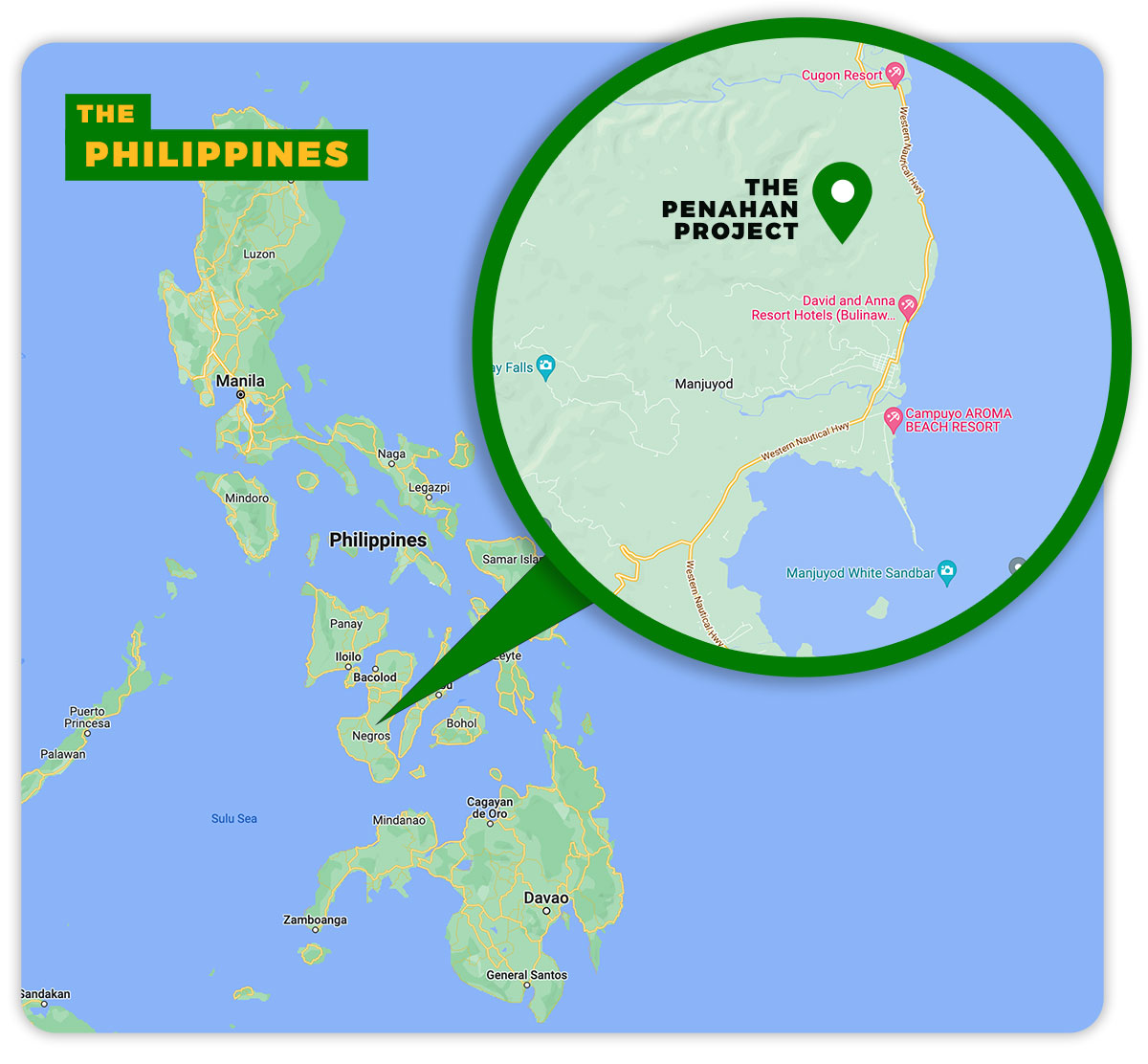
The Penahan Project is spread over 7 acres, in the hills behind the village of Bolisong in Negros Oriental.
The landscape here bears the scars of deforestation, over grazing, soil erosion and poor land stewardship.
Monoculture orchards, grazing and agricultural operations are dotted over the hills.
The knowledge amongst the locals surrounding native plant species appears to be lost and wildlife is more often than not considered as a pest or threat.
The Penahan Project Objectives
Restore Forest
To restore the native habitat on the land ensuring the forest includes a diverse range of endemic flora.
Promote Planting
To influence the wider community on Negros island to also plant more native trees.
Fauna Habitat
To provide a place for residents of the Island to witness and learn more about endemic flora and fauna.
Earth Care
Once the forest is stable, provide a space to demonstarte sustainable farming techniques.
The Project Timeline
2015
Finding the land
In 2015 we started to search for the land. It took us almost one year to find it
Purchase the land
In 2016 we formally purchased the land including having it surveyed and the boundaries marked out.
2016
2017
Land Stewards
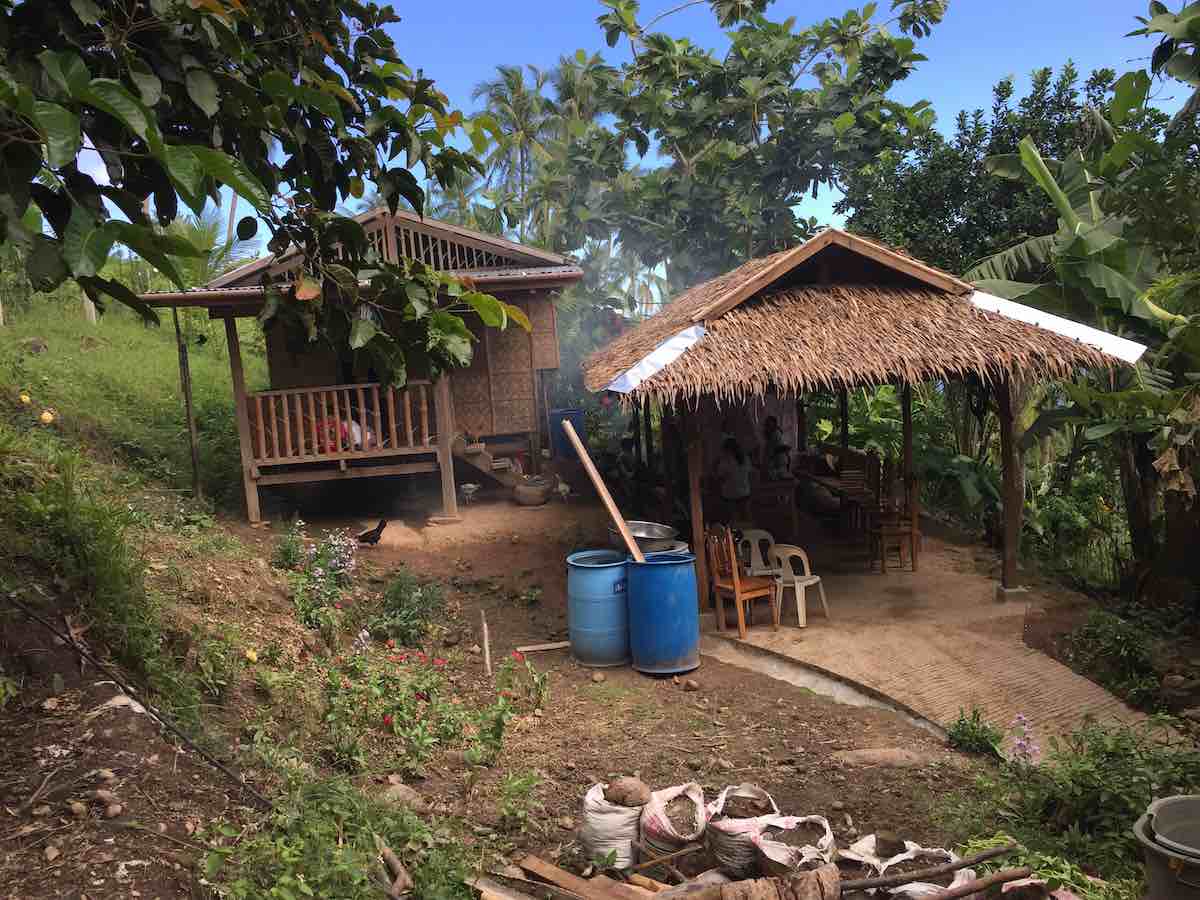
In early 2017 we met a family who would take care of the land and we built a house on the site.
Protecting the land
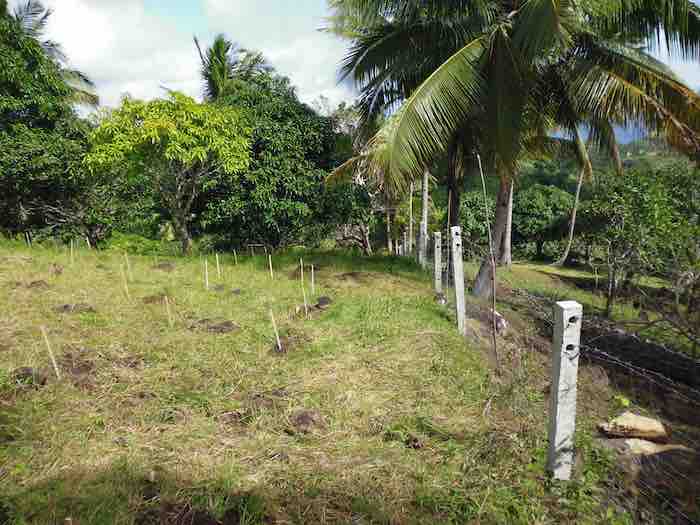
In mid 2017 to prevent neighbouring farm animals from grazing on the land the entire project plot was fully fenced.
2017
2017
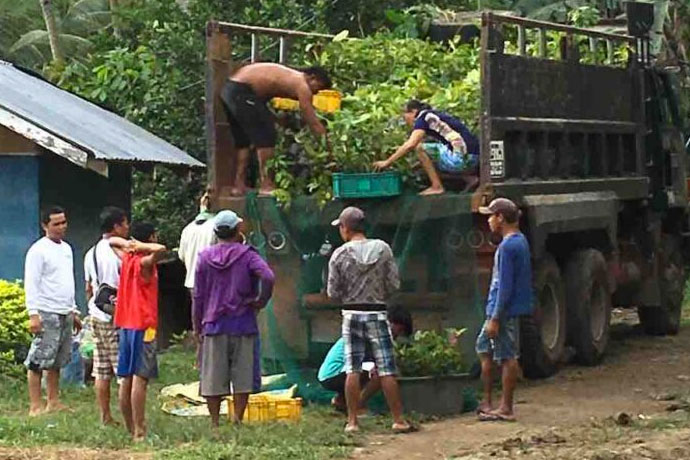
First Plantings
In December 2017 we started planting. 15,000 endemic tree seedlings were planted throughout the project. Despite the poor soils and drought over 50% of these hardy native saplings survived.
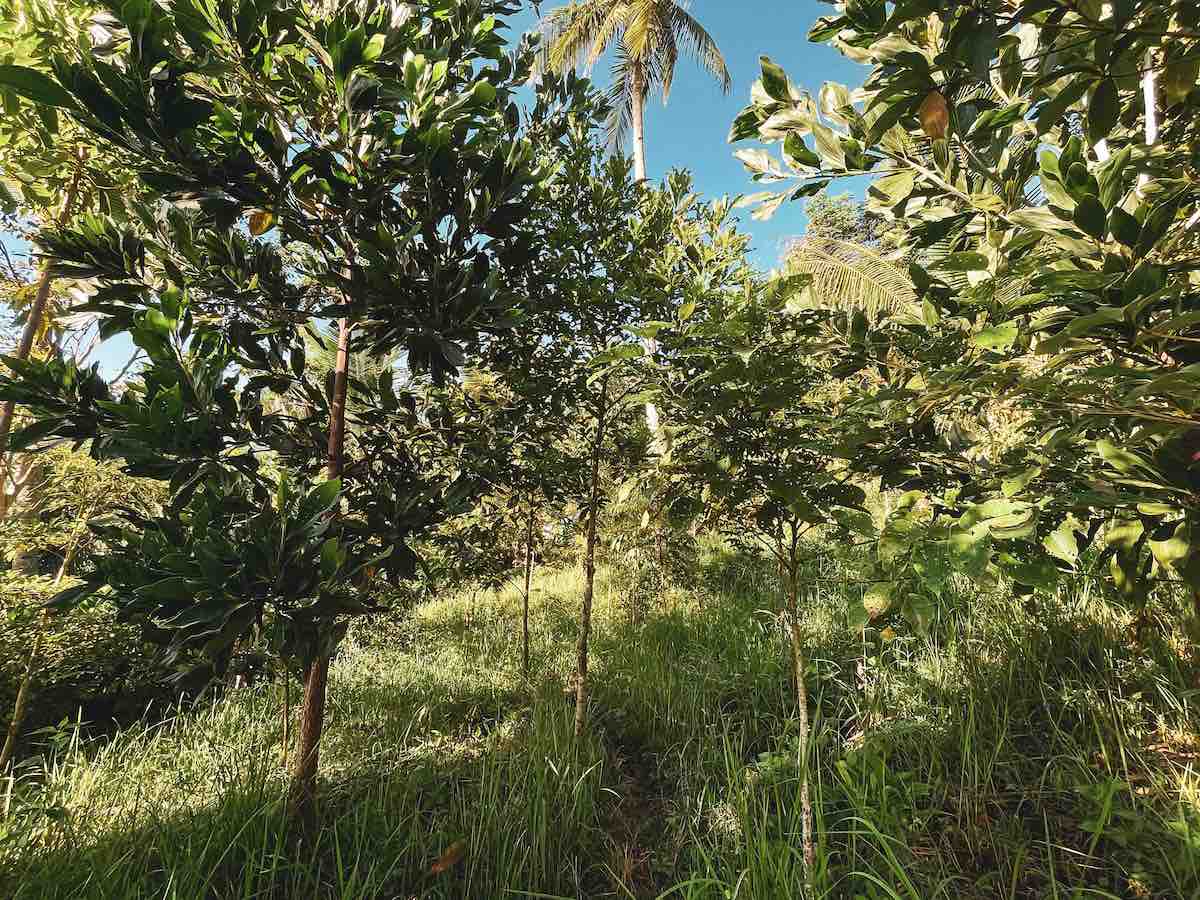
Continued Planting
From 2018 onwards we have continued to plant trees and palms every 6 months. We align the planting with the rainy season which is typically June & December each year.
2018
2015
Finding the land
In 2015 we started to search for the land. It took us almost one year to find it
2016
Purchase the land
In 2016 we formally purchased the land including having it surveyed and the boundaries marked out.
2017
Land Stewards
In early 2017 we met a family who would take care of the land and we built a house on the site.
2017
Protecting the land
In mid 2017 to prevent neighbouring farm animals from grazing on the land the entire project plot was fully fenced.
2017
First Plantings
In December 2017 we started planting. 15,000 endemic tree seedlings were planted throughout the project. Despite the poor soils and drought over 50% of these hardy native saplings survived.
2018
Continued Planting
From 2018 onwards we have continued to plant trees and palms every 6 months. We align the planting with the rainy season which is typically June & December each year.
Meet Our Caretakers
Albert and Jane Palumar are the caretakers of the Penahan Project. They are long term locals, with a background in farming and have strong family connections in the area.
Albert was born into a family of carpenters and is an expert on local/conventional farming practices and in the past has been involved in raising beef cattle. To date Alberts extended family has been heavily involved in the project and have assisted with building the house and fencing.
Both Albert and Jane are very enthusiastic about the intentions of the project, they are proud to be part of it and enjoying raising their children here.
The Project Map


Take a closer look at the Penahan Project


The History of Negros Island
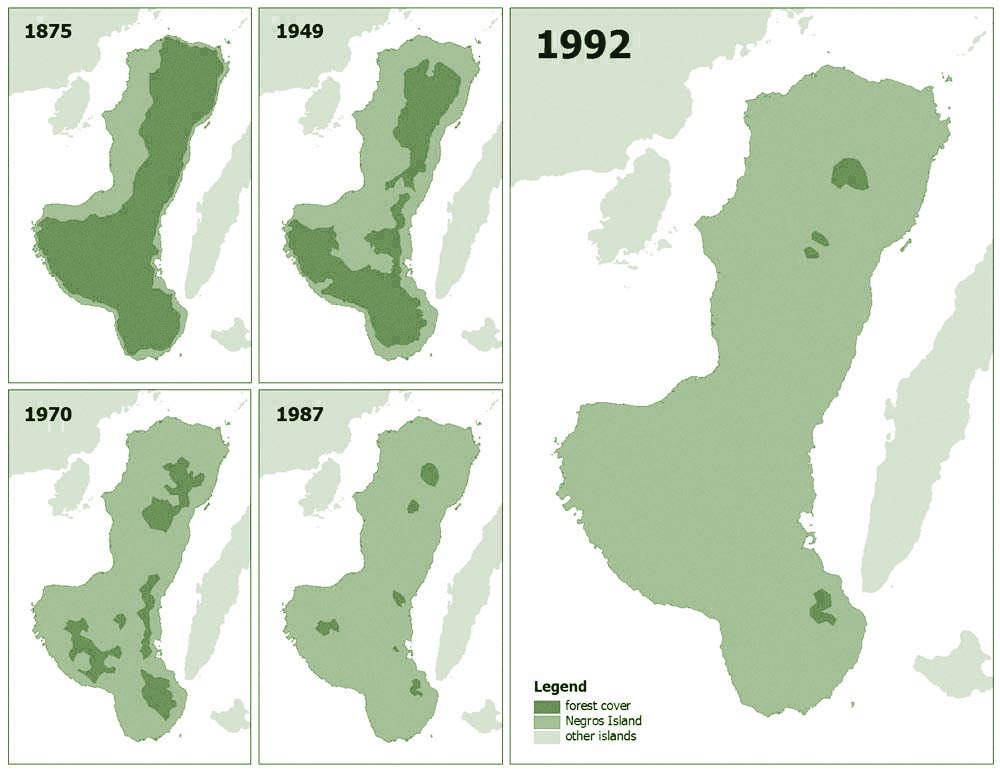
The Philippines contains two thirds of the earths biodiversity which equates to 70% – 80% of the worlds plant and animal species. The Philippines is one of the the most biologically diverse countries in the world and species endemism is very high here. It is for want of a better word a biodiversity hotspot.
On Negros Island, the vegetation is extremely diverse. From lowland tropical rainforests, grasslands, mangroves, beach vegetation and montane forests. Many plant and animal species are endemic to this Island. However the Key Biodiversity Areas remain unprotected and over the years these areas have been extremely vulnerable to logging, mining, agriculture and the general expansion of human settlements. Several endemic species found on Negros are now susceptible to extinction.
Once an extremely lush and diverse Island, decades of human extraction have taken it’s toll. Most notable perhaps is the impact of the American owned Insular Lumber Company (ILCO)
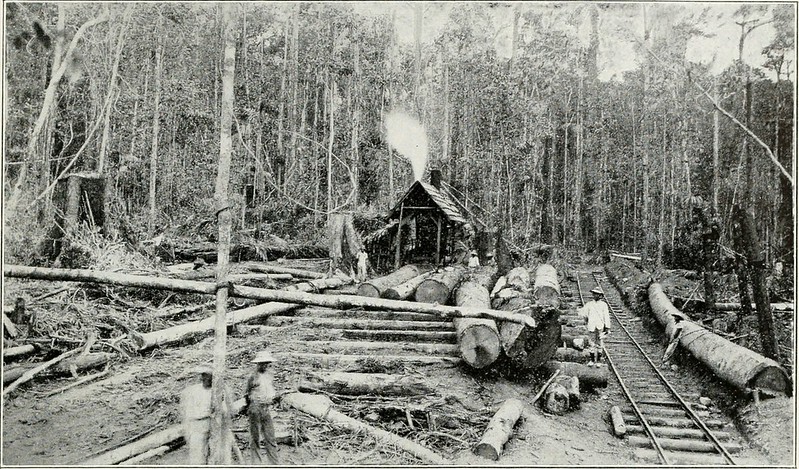
In 1907, whilst the Philippines was under American colonisation, the Insular Lumber Company (said to be the biggest hardwood lumber mill in the world) established itself in the North of Negros Island. Rail roads were built from the mountains down to the fabrica so that large trees could be transported by steam train to the mills. This prized timber was then exported all over the world.
The company obtained an exclusive license agreement which meant it had the permission to remove “unlimited” timber from its logging concessions. The forestry department of the time believed that if the companies followed their expert advice then no amount of cutting was likely to damage the forests! By 1939, logging was one of the major industries in the Philippines.
The End Of An Era
In 1975 when the timber resources had been exhausted in the North of the Island, the company relocated to the south of Negros Island. By 1985 operations ceased.
In 1983, commercial logging was no longer viable and Negros introduced a total logging ban. Where the forests had been cleared monoculture sugar plantations ensued and the Islands economy became heavily dependant on the exportation of sugar. By the mid 1980’s a major famine occurred on the Island of Negros, the over cultivation and reliance of a single crop and the destruction of the Islands biodiversity led to escalating social tensions.
During the time of extensive logging many planned reforestation programs failed, sometimes due to financing and political indifferences other times due to mismanagement and even the complexity/challenges of the program. During this period there had been times when government insisted that the public be responsible for reforestation through voluntary service or that 5.3 million hectares of land needed to be planted to forests.
However efforts to claim and protect the forests have thus far been in vain. For example in 1946 the North Negros Rainforest Reserve was legislated to protect more than 100,000ha of virgin rainforest. The reserve was later reduced and then ignored, by 1996 only 9,900ha of the “protected” forest remained, mainly because it has no perceived commercial value.
Illegal logging continues to this day, along with the poaching of wildlife.